

Education, well-being, the future.
"Give a child conscious control and you give him poise, the essential starting-point for education.”
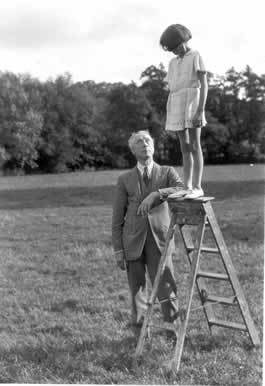
Contemporary education
What does contemporary education look like?
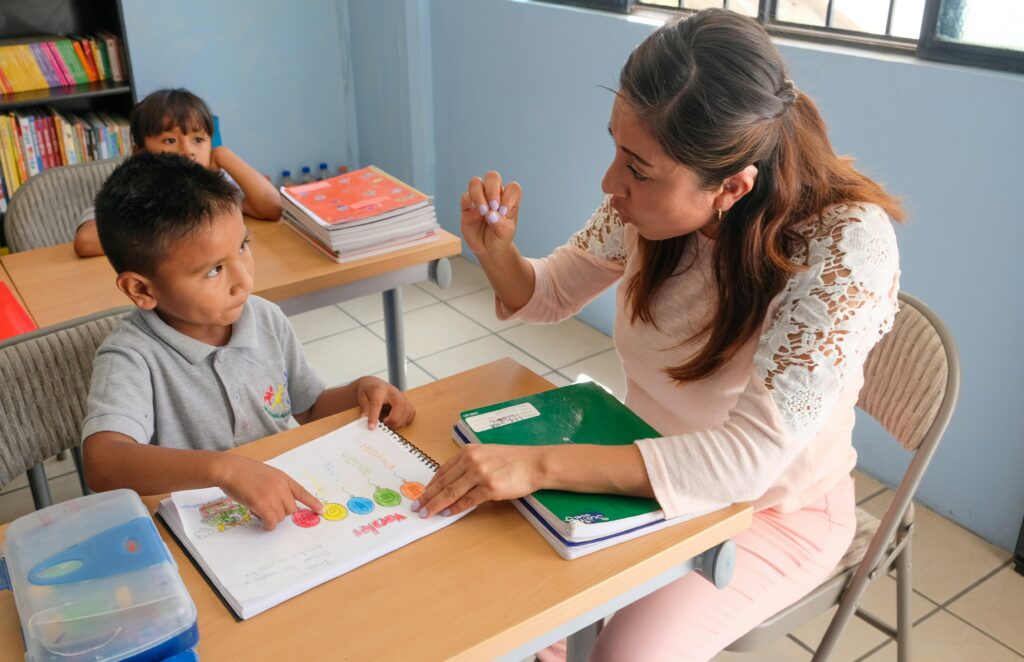
Contemporary education increasingly emphasizes the importance of student and teacher well-being, which has become a key element in building a healthy, supportive school environment.
F.M. Alexander believed that education should not be limited to intellectual development alone-caring for a student’s physical and emotional well-being is the foundation of their academic success and overall well-being.
As a dedicated educator and coordinator of the experimental school “The Little School” in London during the 1920s and 1930s, Alexander observed that most learning and behavioral problems stem from unconscious habits, automatic reactions, and excessive tension and lack of coordination.
In an era of increasing pressure and a faster pace of life, the Alexander Technique offers tools that support students’ well-being and help them develop their full potential.
Why is it worth it?
Benefits of the Alexander Technique
- develops body and mind awareness
- reduces tension and stress
- leads to improved posture and pain relief
- increases determination and builds resilience in the face of everyday challenges
- teaches how to control emotions, manage automatic reactions, and consciously choose how to act
- supports natural breathing
- helps restore energy and mental clarity
- unleashes creativity
- helps people adapt to change and develop healthy habits and strategies for coping with difficulties
- promotes personal growth, fostering a greater sense of self-confidence
- improves concentration and attention
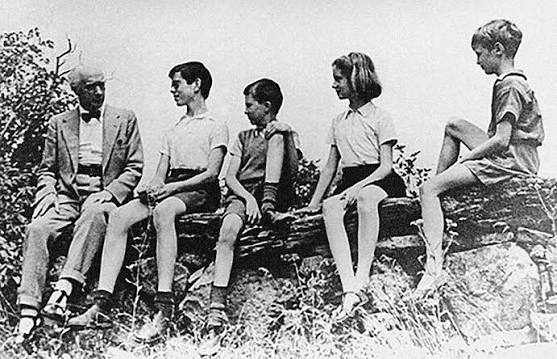
Little School
What does “Little School” have in common with today’s education?
The same fundamental premise regarding the psychophysical unity of the human being – the concept of an integral being in which the body, mind, and emotions constantly influence one another.
Activities designed to support the well-being of students and teachers are based on the principles of the Alexander Technique and focus on harmonious development and maintaining balance between these areas.
Workshops
Sample Workshop Topics
The Alexander Technique - A Skill for Life Much More Than Just Good Posture
How to recognize and release tension in the body caused by stress, fatigue, and poor posture. Key words such as awareness, balance, coordination, ease, posture, breath, freedom, and equilibrium will help you better understand the essence of the Alexander Technique, spark your curiosity, and inspire you to work on yourself.
Body Awareness and Habits: Understand the Signals Your Body Sends
Observation is the foundation of the entire process of psychophysical re-education and is intertwined with the other aspects of the Alexander Technique. It involves actively noticing your own habits, excessive tension, and the way you move. Conscious observation will allow you to recognize automatic reactions and thought patterns. By adopting the perspective of an impartial observer, you can objectively assess your own physical and mental state at any time.
A 1-Minute Mindfulness Exercise
A Break Instead of Pressure
“Pausing” is a term that describes the moment of pause
between a stimulus and a response, which, according to Alexander, is the key to change. It allows you to make a conscious choice about how to act. You’ll learn strategies for coping with stress, rushing, and expectations, such as taking a “micro-break” after each activity, the “one thing at a time” (monotasking) technique – that is, training yourself to focus your attention on only one activity at a time – and the “Pomodoro” method – a simple time-management system. Mechanisms that trigger the fear response.
The 4-Step S.T.O.P. Method
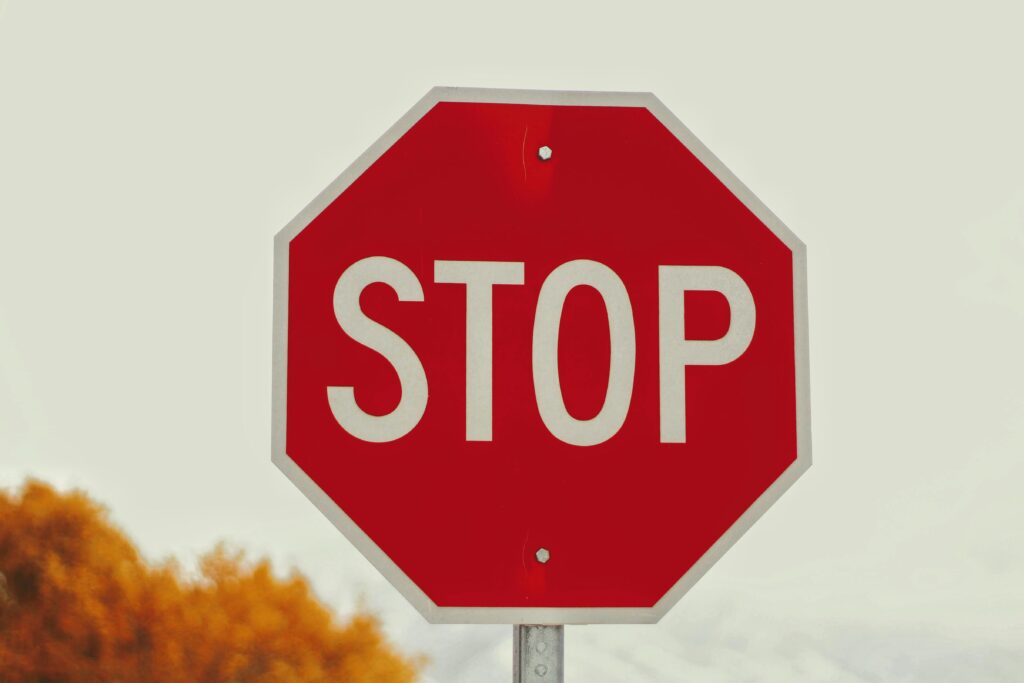
A calm body - a clear mind
Focus – these are the constructive thoughts and intentions that influence your posture, the quality of your breathing, and how you perform all your activities. You’ll discover how verbal instructions and visualization techniques can help improve your relationship with your own body.
Exercises to restore lightness, balance, and freedom
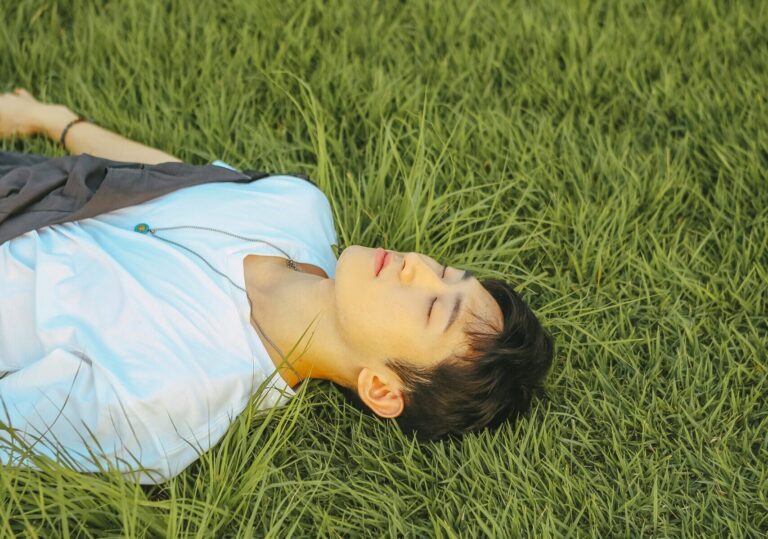
Breathing Space: Creating Physical and Mental Space Within the Body
Breathing exercises are one of the most effective methods for reducing stress. You’ll learn simple ways to regain energy, find inner peace, and relieve tension while studying, working, and in difficult situations. Conscious breathing activates the parasympathetic nervous system, which naturally lowers stress levels and provides a sense of emotional security.
Screening of Jessica Wolf’s film titled “The Art of Breathing”
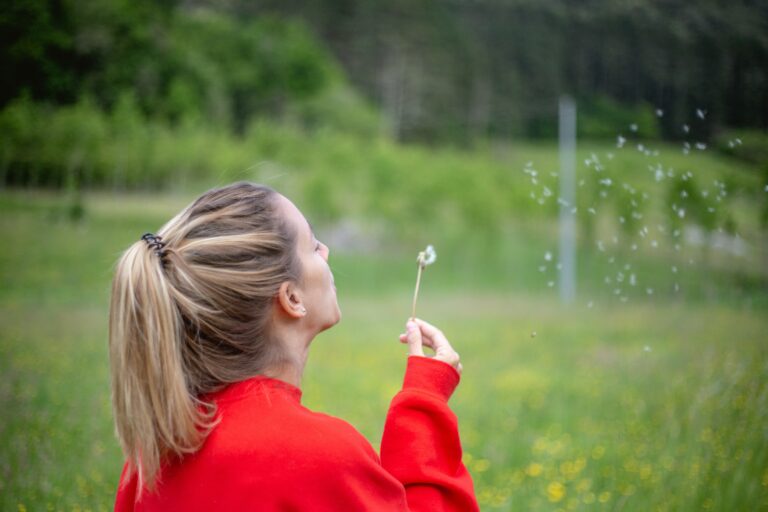
Concentration is not tension
The ability to concentrate does not require the body to be in a constant state of nervous tension and stress. How to recognize the first signs of physical and mental overload to avoid frustration while studying. You’ll learn how to build healthy work habits and develop the skill of “calm attention,” which leads to regaining mental clarity and a state of focus accompanied by calmness and relaxation.
Concentration vs. Mindfulness
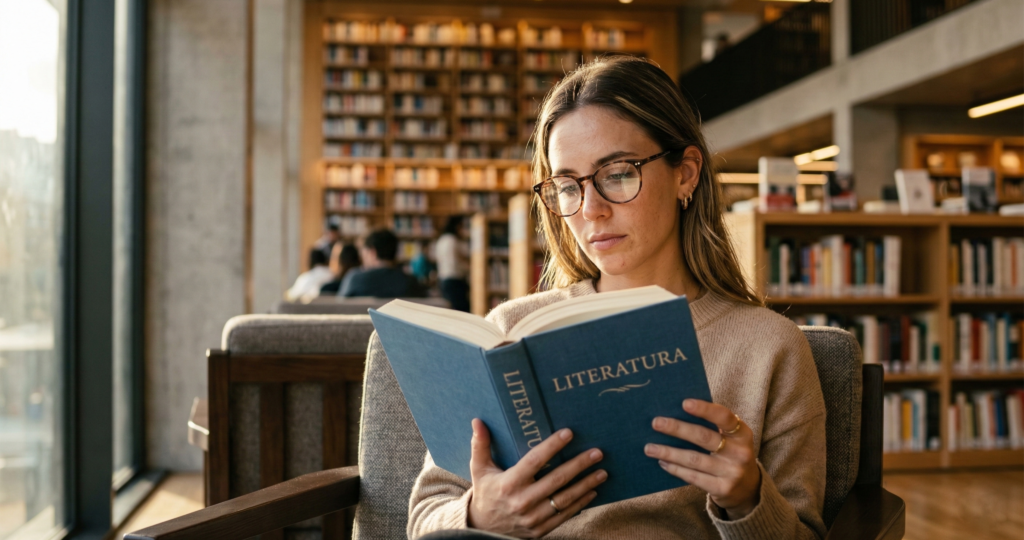
Proper Posture
How to support your body during long hours of studying, teaching, and working at a computer. Restoring proper posture is a process that requires commitment and conscious self-improvement. You’ll discover that maintaining a natural balance will provide your body with stability without straining or overloading your muscles.
Dynamic standing and sitting positions
Focus, Energy, and Recovery
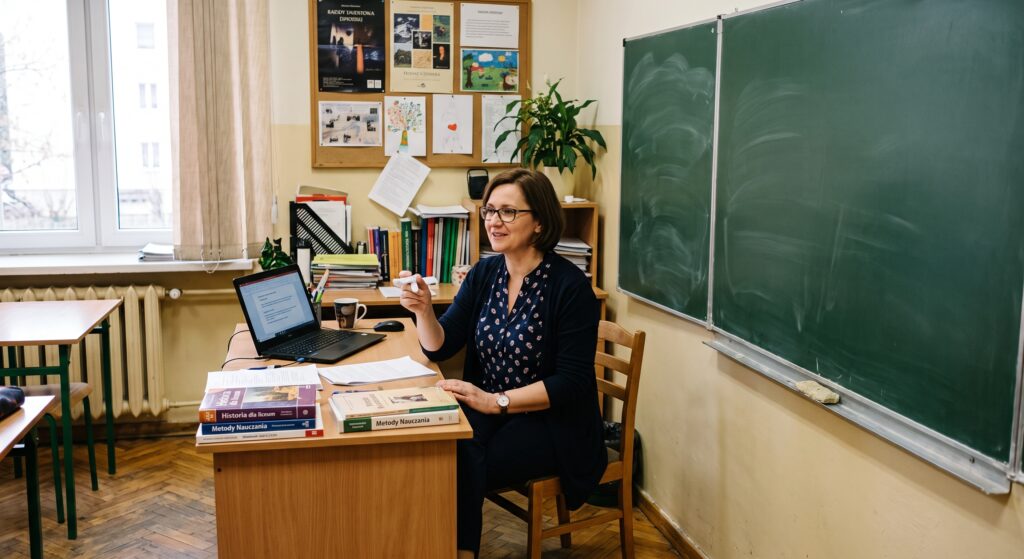
Greater body awareness affects how your body functions, your energy levels, your resilience to stress, and your ability to recover. Reducing unnecessary tension improves your concentration and performance. You’ll understand how movement (such as walking) enhances cognitive processes, supports proper brain function, reduces stress, and even stimulates creativity.
Exercise and Memory.

Balance of Body and Mind and Stress Resistance
Increased tension and chronic stress resulting from overstimulation reduce the body’s defensive capabilities, leading to a weakened immune system. The ability to restore balance to the body and mind is the foundation of mental resilience and effective adaptation in difficult situations. You’ll discover the benefits of simple exercises based on the principles of the Alexander Technique.
Active Recreation
How can you achieve your goal without stress?
Achieving a goal without stress requires taking small steps and engaging in the creative process, rather than focusing solely on the end result (so-called “end-gaining”). Eliminating pressure, letting go of perfectionism, and accepting mistakes reduces the fear of failure and alleviates feelings of being overwhelmed. You’ll learn effective ways to manage your time, energy, and brain function.
Less effort—greater efficiency
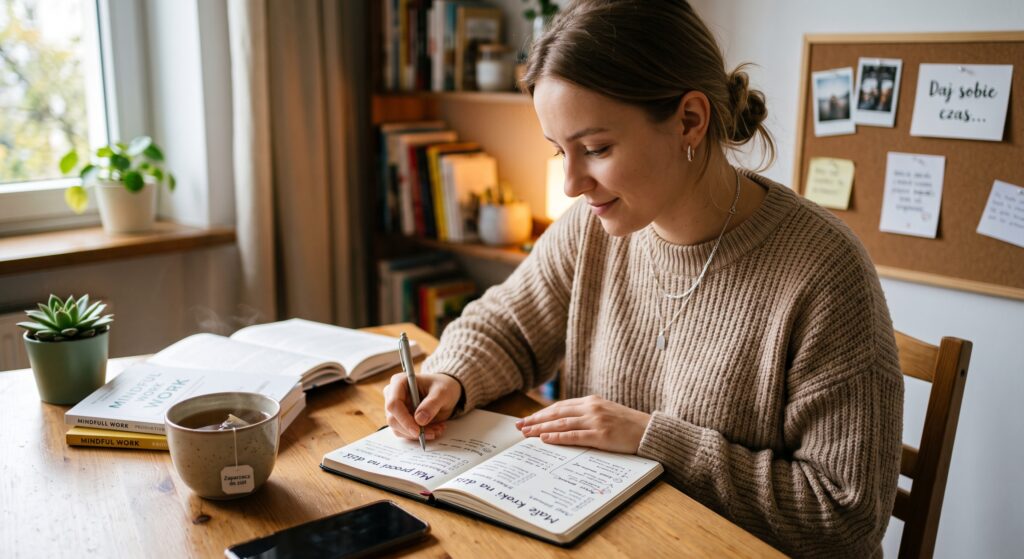
Give yourself time…
Workshops
Recommended duration and price of the workshops
2x 45 min
700 - 900 zł gross
3x 45 min
1000 - 1200 zł gross
4x 45 min
1300 - 1500 zł gross
The selection of topics, the detailed program, and the teaching methods are tailored to the participants’ age group and stage of development. A comprehensive proposal, including a price quote for the workshops, is prepared on a case-by-case basis and tailored to the needs and capabilities of each educational institution.
Feel free to contact me
Kraków, Stare Miasto, Polska
New York, USA